
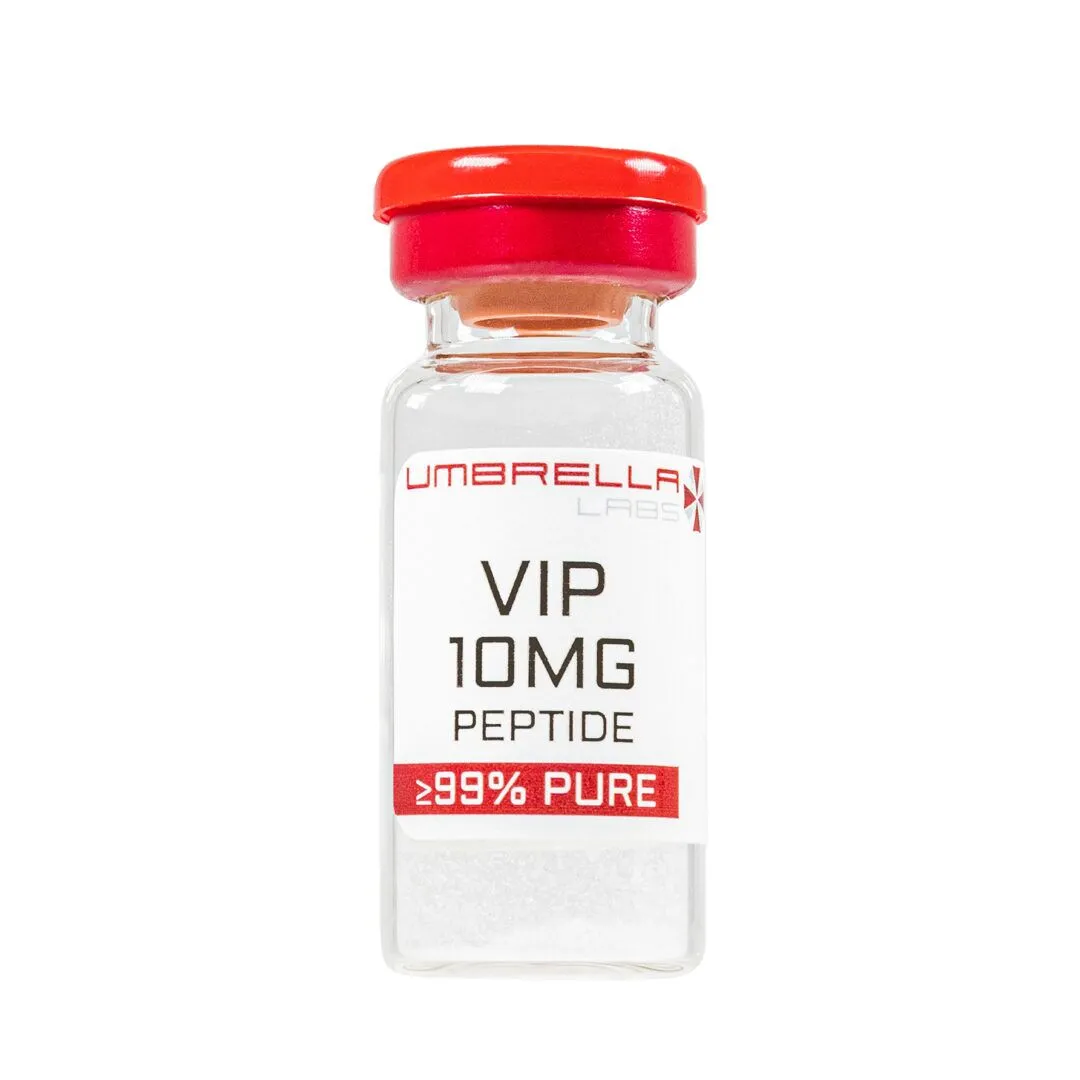
“VIP 10MG” likely refers to Vipzel 10 mg tablets, a specific brand-name medication containing an active ingredient related to Vasoactive Intestinal Peptide (VIP) used in certain regions. Vasoactive Intestinal Peptide itself is a naturally occurring peptide with various physiological effects, but it is typically used as a nasal spray or injectable in clinical or research settings.
Vipzel 10 mg Tablets
The primary reference to a commercially available 10 mg tablet is “Vipzel 10mg Tab 14s”.
- Uses: The specific medical uses for Vipzel are not explicitly detailed in the search results, which primarily focus on Vasoactive Intestinal Peptide (VIP) research. In a research context, VIP is studied for conditions involving the immune, digestive, respiratory, and cardiovascular systems due to its anti-inflammatory and vasodilatory properties.
- Active Ingredient: While the exact formulation of “Vipzel” is not specified, it is linked to the VIP family of peptides. Vasoactive Intestinal Peptide (VIP) is a 28-amino acid neuropeptide that acts as a potent vasodilator and immunomodulator.
- Availability: This specific product, Vipzel 10 mg, appears to be available for purchase through online pharmacies in certain regions, for example, from Sunny Medicos & Super Store
Vasoactive Intestinal Peptide (VIP) in Medicine
Vasoactive Intestinal Peptide is a complex neuropeptide that is involved in numerous bodily functions.
- Mechanism: It works by binding to specific G-protein coupled receptors (VPAC1 and VPAC2) to regulate processes such as smooth muscle relaxation, hormone secretion, blood flow, and immune responses.
- Therapeutic Potential: Due to its anti-inflammatory effects, it is being researched for conditions like:
- Chronic Inflammatory Response Syndrome (CIRS) from mold toxicity.
- Inflammatory bowel diseases (Crohn’s, ulcerative colitis).
- Respiratory conditions like asthma and COPD.
- Autoimmune diseases such as rheumatoid arthritis.
- Administration: In research and clinical applications, VIP is often administered as an intranasal spray or through injections. This is because it has a very short half-life (around 2 minutes) in the bloodstream, so other delivery methods are needed for sustained effects.
Potential Side Effects
When administered as a peptide (nasal spray/injection), potential side effects have been noted in research settings:
- Common: Nasal discomfort (for nasal spray), headache, flushing (a warm feeling), and mild dizziness.
- Less frequent: Stomach upset or temporary changes in blood pressure.
- Note: Rapid position changes should be avoided if dizziness occurs.
Important: Any medication should be used under the supervision of a healthcare

Reviews
There are no reviews yet.