
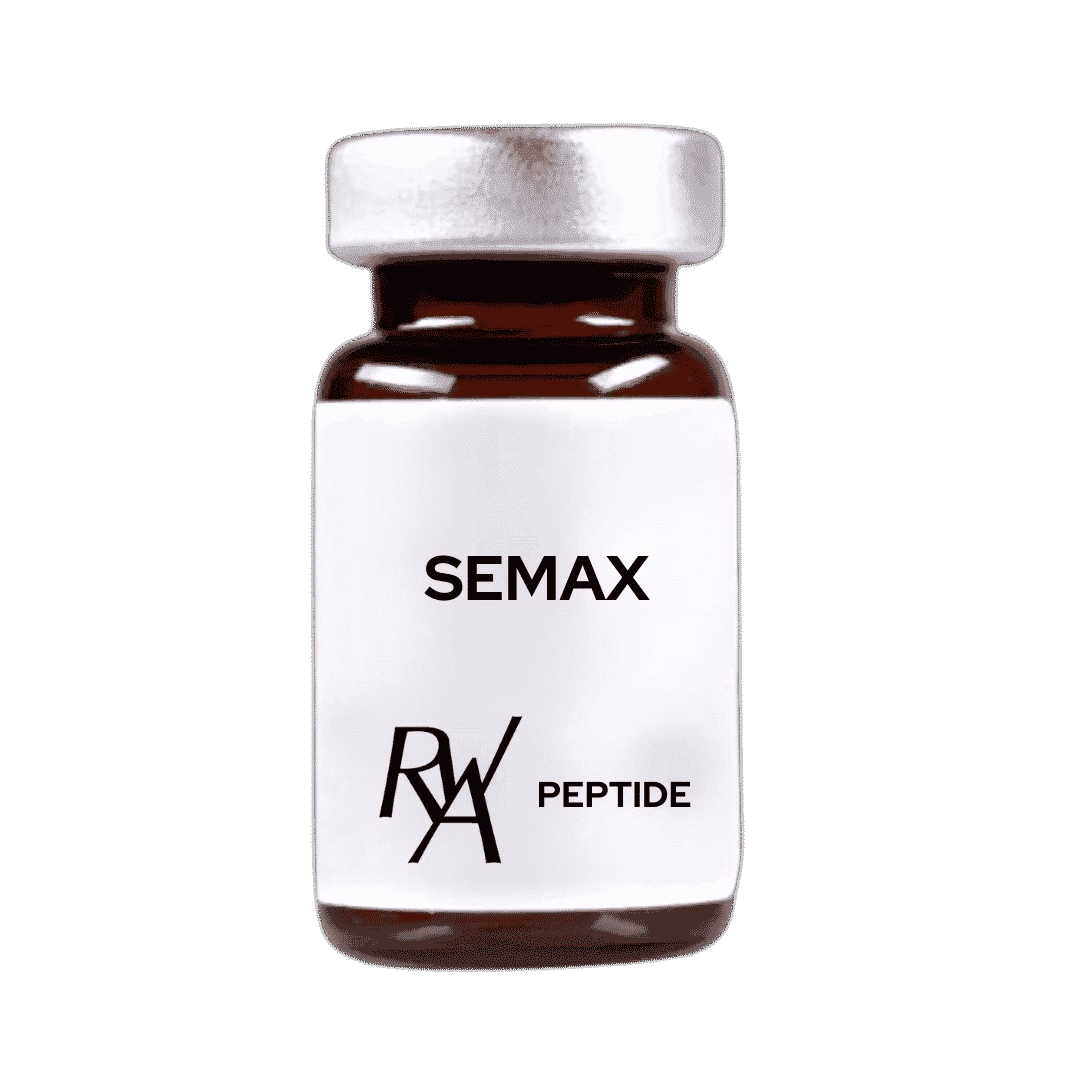
Semax is a synthetic peptide developed in Russia, derived from ACTH, used for its nootropic (cognitive enhancing), neuroprotective, and neurorestorative effects, treating conditions like stroke, brain trauma, and neurological deficits by boosting BDNF and affecting neurotransmitters. Administered intranasally, it improves memory, attention, and learning, protects neurons, and shows potential in ADHD and neurodegenerative diseases, though it’s not FDA-approved in the U.S. and research in English is limited.
What it is
- A heptapeptide (seven amino acids) with the sequence Met-Glu-His-Phe-Pro-Gly-Pro.
- A modified fragment of adrenocorticotropic hormone (ACTH) designed to enhance cognitive effects without hormonal side effects.
What it’s used for (in Russia & research)
-
- Cognitive Enhancement: Improves memory, learning, focus, and attention.
- Neuroprotection: Protects brain cells from damage (hypoxia, oxidative stress).
- Cognitive Enhancement: Improves memory, learning, focus, and attention.
- Neurological Conditions: Stroke recovery, traumatic brain injury, optic nerve atrophy, Parkinson’s, and neonatal neurological issues.
How it works (mechanism)
- Increases brain-derived neurotrophic factor (BDNF), essential for neuron survival and growth.
- Modulates neurotransmitter systems, increasing brain circulation of monoamines.
- Stimulates the BDNF/trkB system and choline acetyltransferase activity.
Administration & Availability
- Typically given as an intranasal spray (nose drops) for direct brain entry.
- Used in Russia and other countries; not FDA-approved in the U.S.
Reviews
There are no reviews yet.