
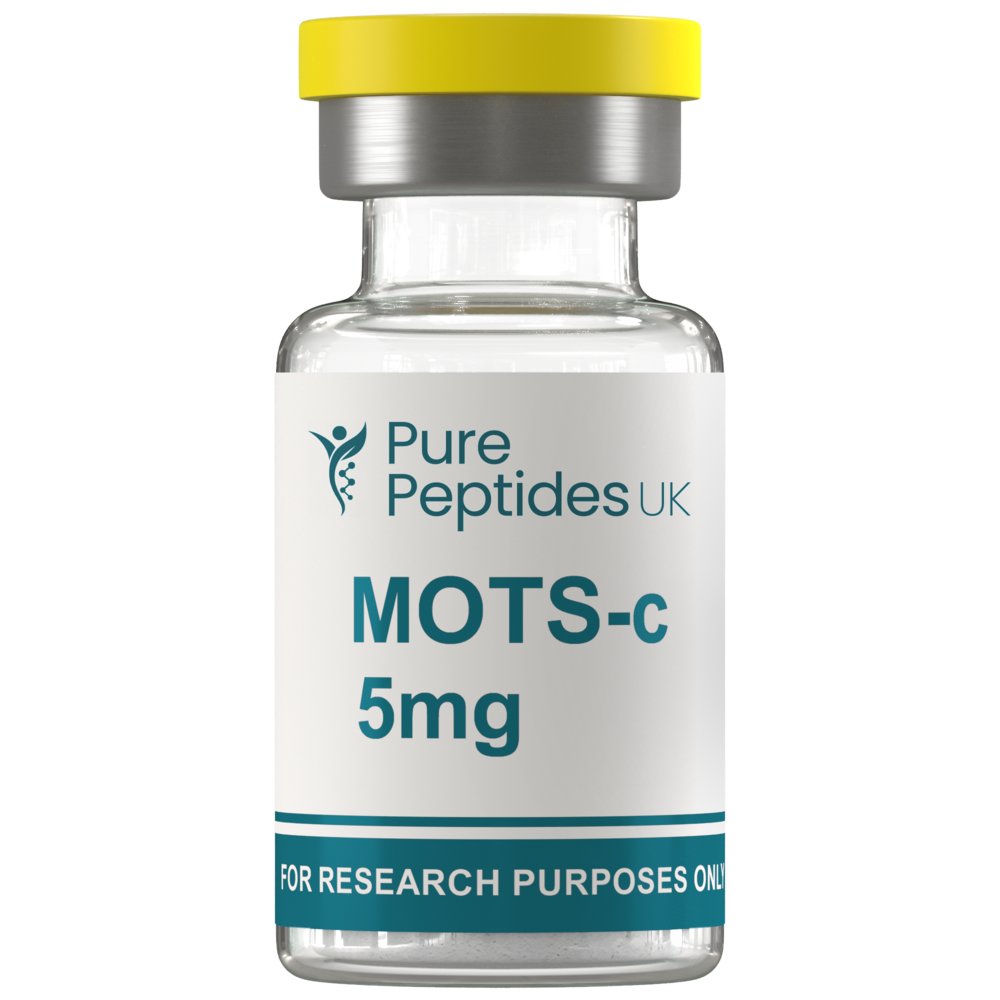
MOTS-c (Mitochondrial Open Reading Frame of the 12S rRNA-c) is a fascinating, naturally occurring 16-amino acid peptide produced by mitochondria, acting as a key regulator of cellular metabolism, energy balance, and stress response, often released during exercise, with potential therapeutic roles in metabolic diseases, aging, and inflammation, but it’s experimental and requires medical consultation.
What it is:
- A tiny protein (peptide) encoded by mitochondrial DNA, not the cell’s main DNA.
- Acts as a signal from mitochondria to the rest of the cell.
How it Works (Key Functions):
- Metabolic Regulator: Activates AMPK (AMP-activated protein kinase), a master energy sensor, to improve glucose uptake in muscles and fat burning.
- Exercise Mimetic: Levels rise with exercise, mimicking its benefits like improved metabolism.
- Cellular Protection: Helps protect cells from stress and maintains mitochondrial function.
- Anti-Inflammatory: Can reduce inflammation by influencing pathways like MAPK.
Potential Benefits (Research-Based):
- Improves Insulin Sensitivity & Glucose Metabolism: Helps fight insulin resistance and obesity.
- Enhances Physical Performance: Shown in mice to improve exercise capacity.
- Supports Bone Health: Regulates bone metabolism, potentially helping with osteoporosis.
- Fights Aging: Levels decrease with age, and supplementing shows promise against age-related decline.

Reviews
There are no reviews yet.