
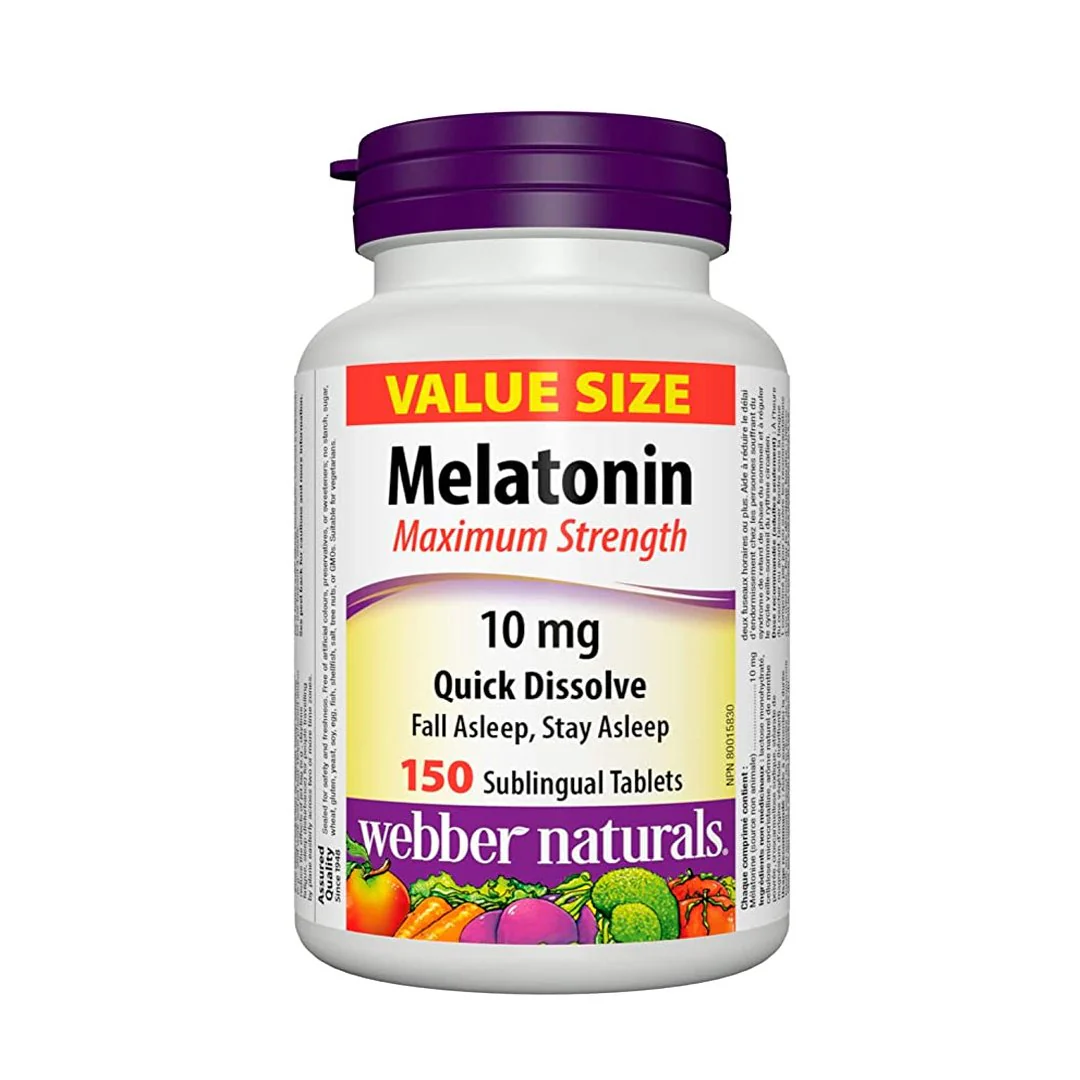
Melatonin is a hormone your brain produces in darkness to regulate sleep, signaling it’s time to sleep, while light decreases production, making you alert; it’s used in supplements for sleep issues like jet lag or insomnia, helping reset your body clock, but potential side effects include daytime drowsiness, and it also acts as an antioxidant, with some studies suggesting broader roles beyond sleep.
What it is and how it works
-
- Natural Hormone: Produced by the pineal gland, rising in the evening to promote sleep and falling in the morning.
- Circadian Rhythm: Controls your internal 24-hour sleep-wake cycle (circadian rhythm).
- Natural Hormone: Produced by the pineal gland, rising in the evening to promote sleep and falling in the morning.
- Light & Darkness: Darkness triggers production, while light (especially from screens) blocks it, disrupting sleep.
Uses and benefits (Supplements)
- Sleep Disorders: Effective for trouble falling asleep (delayed sleep phase), jet lag, and some sleep issues in children.
- Anxiety: May help with anxiety before surgery.
- Antioxidant: Also has antioxidant and anti-inflammatory properties.
Potential side effects
- Daytime drowsiness, headache, dizziness, nausea, and vivid dreams.
- Generally considered safe for short-term use in most adults.
How to take it (Supplements)
- Available as pills, gummies, liquids, and capsules, often synthetic.
- Works best when taken at bedtime to help reset your internal clock.
Reviews
There are no reviews yet.