
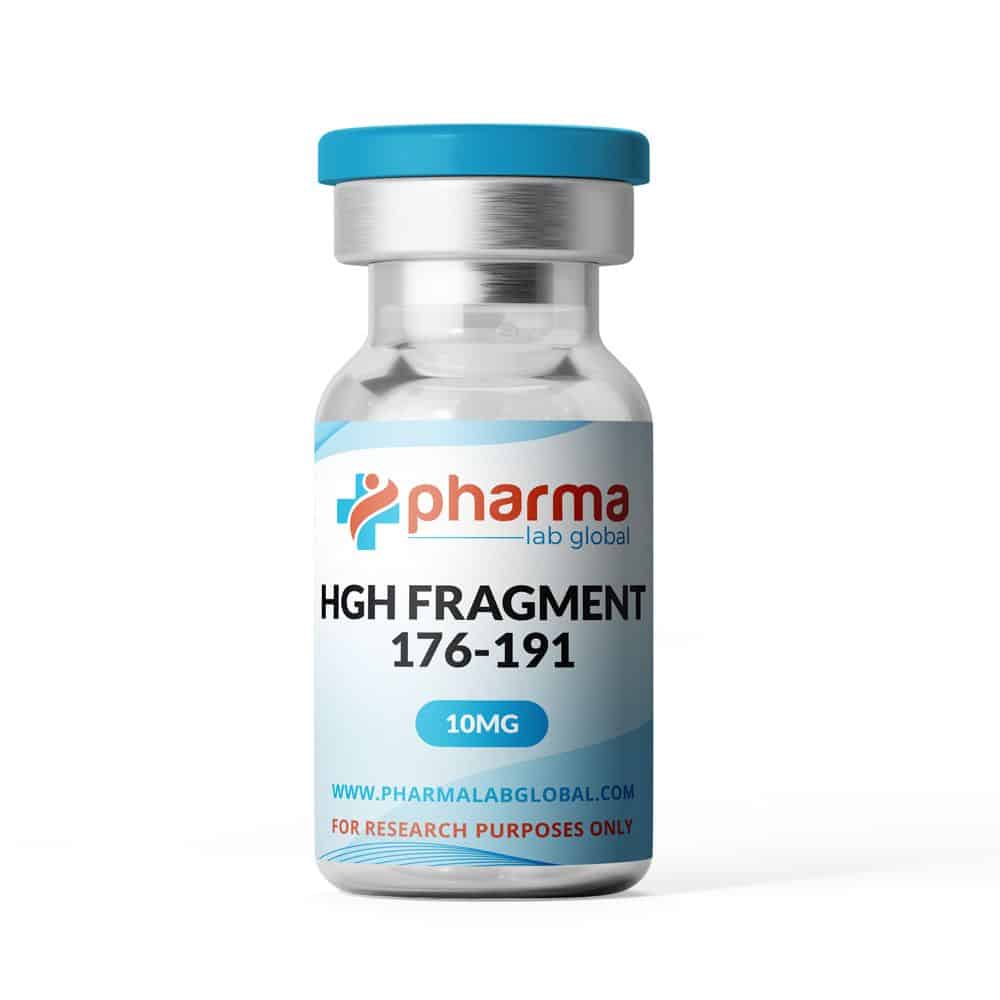
HGH Fragment 176–191 is a synthetic peptide, a piece of human growth hormone (HGH), specifically designed to target fat metabolism, stimulating fat breakdown (lipolysis) and inhibiting new fat formation (lipogenesis) without the growth-promoting effects of whole HGH, showing promise for weight loss and body composition in research, though its use outside clinical trials needs careful consideration.
What it is:
- A 15-amino acid fragment from the C-terminus of HGH (residues 176-191).
- It’s a smaller, modified version of HGH (like the related AOD9604) that focuses on its fat-reducing properties, not its growth-promoting ones.
How it works (in research):
- Fat Breakdown: It activates lipolysis, releasing fatty acids from fat cells for energy.
- Fat Inhibition: It blocks lipogenesis, preventing the conversion of sugar/carbs into stored body fat.
- Metabolic Effects: Studies suggest it increases energy expenditure and fat oxidation.
Potential Uses (Research & Biohacking):
- Fat Loss: Marketed for reducing body fat, especially visceral fat, often in bodybuilding or weight management.
- Body Composition: Aims to sculpt a leaner physique while preserving muscle mass.
- Cancer Research: Emerging research explores its potential to enhance chemotherapy delivery in some cancers (e.g., breast cancer).
Key Considerations:
- Not for Height: Since it lacks the growth-promoting region, it won’t make adults taller.
- Research vs. Clinical: While promising in animal and lab studies, human trials show varied results for general weight loss when used alone; some combinations show better fat loss.
- Safety: As with many peptides, long-term effects and proper dosing outside of clinical settings require careful consideration.

Reviews
There are no reviews yet.