
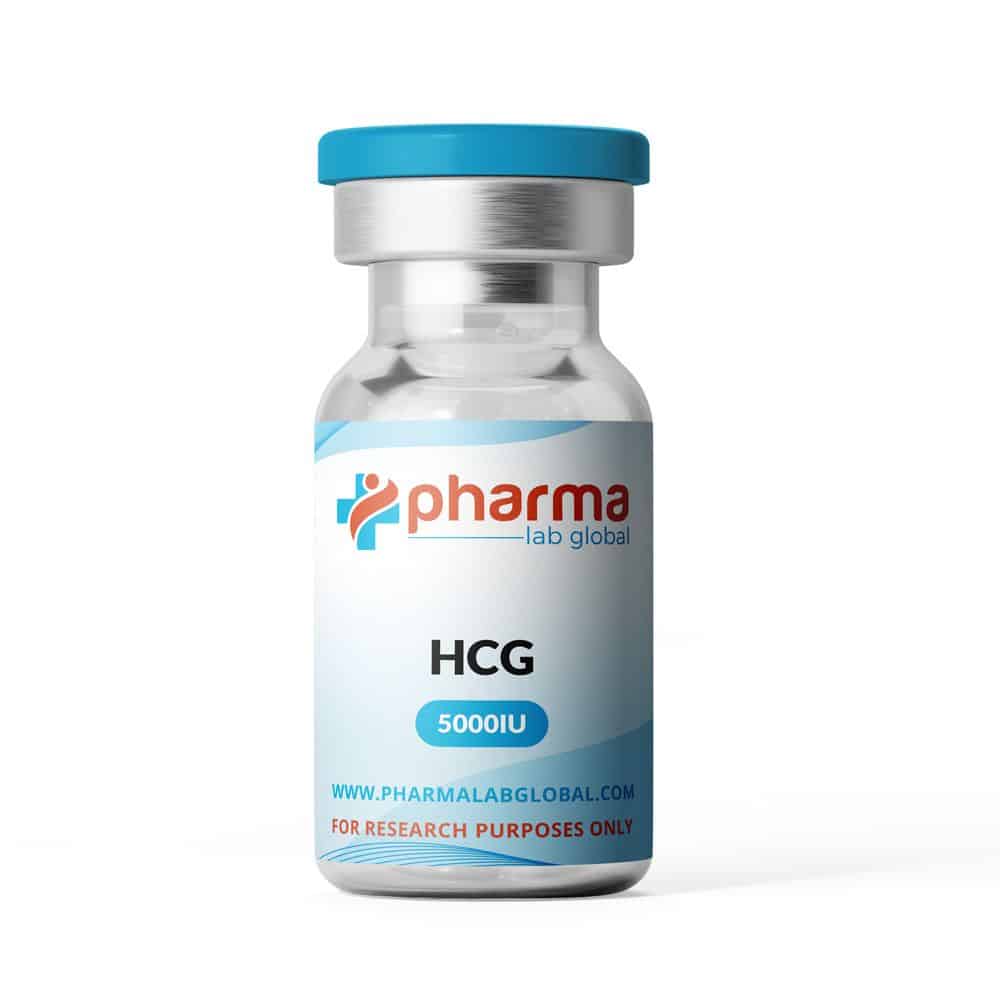
HCG (Human Chorionic Gonadotropin) is the “pregnancy hormone,” produced by the placenta after implantation, crucial for maintaining early pregnancy by supporting the corpus luteum to produce progesterone, and it’s what pregnancy tests detect in blood or urine to confirm conception. Its levels rise rapidly in early pregnancy, supporting the uterine lining and embryo development, and it’s also used medically for fertility treatments and diagnosing certain cancers.
Role in Pregnancy
- Supports Early Pregnancy: Signals the ovaries to keep producing progesterone, which nourishes the uterine lining and helps maintain the pregnancy.
- Maternal Recognition: Signals the body that pregnancy has begun.
- Embryo Support: Promotes uterine growth, increases blood flow, and helps the immune system tolerate the pregnancy.
Detection & Levels
-
- Detection: Detected in blood and urine.
- Detection: Detected in blood and urine.
- Timing: Can be detected in blood about 11 days after conception and in urine about 12-14 days after conception.
- Typical Rise: Levels usually double every 72 hours and peak around 8-10 weeks of pregnancy before declining.
Medical Uses & Other Factors
-
Fertility:Administered as injections to stimulate ovulation and support pregnancy in assisted reproduction.
-
Cancer Diagnosis:High levels in non-pregnant individuals can indicate certain cancers (e.g., choriocarcinoma) or tumors.
-
Other Causes of High Levels:Can also be elevated by some bowel diseases, liver cirrhosis, or cannabis use.


Reviews
There are no reviews yet.