
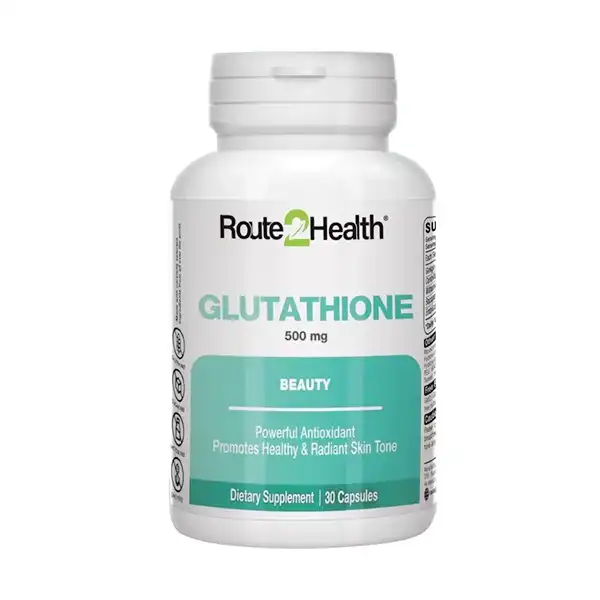
Glutathione is a powerful antioxidant naturally produced by the liver and found in nearly every cell of the body. It is a tripeptide composed of three amino acids: cysteine, glutamic acid, and glycine. Often called the “master antioxidant,” it plays a critical role in neutralizing free radicals, detoxifying the body, and supporting the immune system.
Key Biological Functions
- Antioxidant Defense: It protects cells from oxidative stress and damage caused by reactive oxygen species (ROS) and heavy metals.
- Detoxification: It helps the liver process toxins, pollutants, and drugs (like acetaminophen) so they can be safely excreted.
- Immune Support: It is essential for proper white blood cell function and overall immune response.
- Skin Health: Glutathione can inhibit the enzyme tyrosinase, which leads to reduced melanin production, often used for skin brightening or treating hyperpigmentation.
Common Uses & Research Status
While glutathione is used for various conditions, scientific evidence for some remains inconclusive:
- Liver Disease: Shown to improve protein, enzyme, and bilirubin levels in people with fatty liver disease.
- Skin Lightening: Frequently used in oral, topical, and IV forms to lighten skin tone, though IV use is controversial due to safety risks.
- Neurodegenerative Disorders: Studies have explored its role in Parkinson’s and Alzheimer’s, though more large-scale human trials are needed.
- Insulin Resistance: Preliminary research suggests it may improve insulin sensitivity in individuals with obesity or type 2 diabetes.
Methods to Increase Levels
Natural levels often decline due to aging, stress, and environmental toxins.
- Dietary Sources: Sulfur-rich foods like garlic, onions, and cruciferous vegetables (broccoli, cauliflower) support natural production.
- Supplements: Oral capsules, liposomal forms (better absorption), and sublingual options are common.
- Precursors: Taking N-acetylcysteine (NAC) or whey protein provides the necessary building blocks for the body to synthesize its own glutathione.
- Cofactors: Vitamins C, E, and B2 (riboflavin), and the mineral selenium are required for glutathione to function and recycle effectively.
Reviews
There are no reviews yet.