
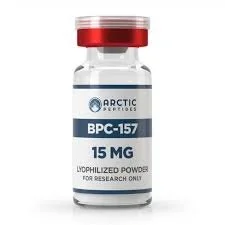
BPC-157 (Body Protection Compound-157) is a synthetic pentadecapeptide composed of 15 amino acids. It is based on a protective protein sequence naturally found in human gastric juice. As of 2026, it is widely used in experimental and functional medicine for its purported regenerative and anti-inflammatory properties, though it remains unapproved for human use by major global health authorities.
Purported Benefits and Uses
Research, primarily in animal models, suggests that BPC-157 may promote healing in several systems:
- Musculoskeletal Recovery: Accelerates repair of tendons, ligaments, and muscle tears by promoting collagen synthesis and fibroblast migration. It is also studied for bone fracture healing.
- Gastrointestinal Health: Originally investigated for its ability to heal stomach ulcers, it may help manage inflammatory bowel disease (IBD) and leaky gut by maintaining mucosal integrity.
- Vascular Protection: Stimulates angiogenesis (the formation of new blood vessels) via the VEGF pathway, which improves blood flow to injured or ischemic tissues.
- Neurological Support: Has shown neuroprotective effects in models of traumatic brain injury, spinal cord compression, and peripheral nerve damage.
- Neurotransmitter Modulation: Interacts with the dopamine, serotonin, and GABA systems, potentially offering benefits for conditions like depression or substance withdrawal.
Safety and Side Effects
While animal studies often describe a high safety profile with no identified lethal dose, human safety data is limited:
- Common Reported Effects: Mild nausea, dizziness, fatigue, and headaches.
- Serious Theoretical Risks: Because it promotes blood vessel growth (angiogenesis), there are significant concerns that it could promote the growth or spread of existing tumors.
- Contamination Risks: Since it is not FDA-approved, products sold online are often unregulated and may contain impurities or incorrect dosages.
Reviews
There are no reviews yet.